
How the Paramount-Warner Bros. merger case tests Hollywood’s competitive structure
88 billion bond in their antitrust lawsuit, raising the stakes in a case that could reshape film, television, and writers' labor markets.
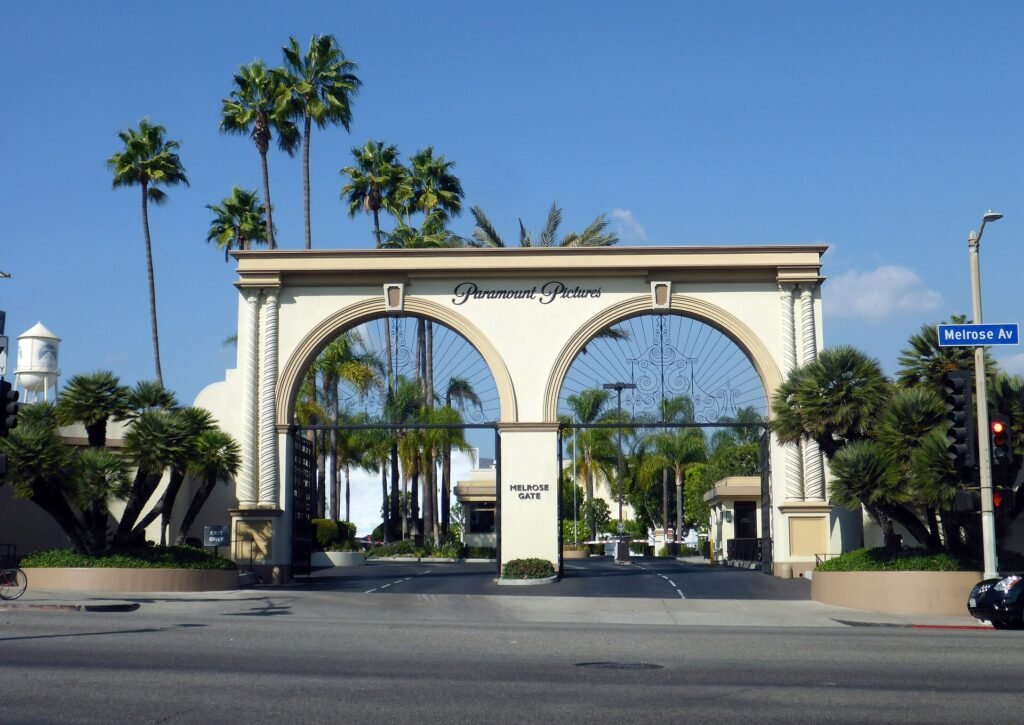
The Paramount-Warner Bros. Discovery merger faces a critical procedural battle on September 24 when a federal judge will decide whether the states and Writers Guild suing to block the $110.9 billion deal must post $1.88 billion as a security bond. The decision could reshape the litigation’s economics and timing, while a full antitrust trial set for March 2027 will determine whether the combination violates federal law by harming writers, labor markets, and theatrical competition.
The merger, announced February 27, 2026, and approved by the U.S. Department of Justice in June, faced an unexpected obstacle when California and 11 other states sued in July to block it on antitrust grounds. The Writers Guild followed with its own lawsuit citing specific harms to screenwriters and television writers. A federal judge issued a temporary restraining order halting the deal’s close, setting the stage for one of the entertainment industry’s most consequential antitrust battles.
What the merger would consolidate
The combined Paramount-Warner Bros. company would emerge as a production and distribution powerhouse controlling roughly one-third to two-fifths of major entertainment markets. According to market analysis, the merged entity would command 27.9% of film production, 31.1% of television show production, and 38.9% of pay-TV programming services. In theatrical distribution, only four major studios would remain—Disney, Sony, Universal, and Paramount-Warner Bros.
The consolidation extends to news and streaming. CNN and CBS News would operate under a single corporate umbrella, bringing together two of America’s biggest names in television news. Meanwhile, a combined Paramount+ and HBO Max would serve roughly 118 million streaming subscribers. Market concentration thresholds established by federal antitrust guidelines create a presumption of illegality when a merger increases market concentration above certain levels, and market analysis shows this deal crosses that threshold in multiple markets.
Key dates in the merger litigation
The merger was announced February 27, 2026, at $110.9 billion, approved by the DOJ on June 12, and halted by federal court order on July 20. Settlement talks are scheduled for October 14-15, with the antitrust trial beginning in March 2027, and expected to conclude April 5, 2027.
Writers and screenwriting labor markets face specific threats
The Writers Guild lawsuit targets three distinct screenwriting markets where competition would disappear. The three markets are screenwriters of anticipated top-grossing theatrical films with budgets of $100 million or more, writers staffed on episodic television and streaming series, and television writers employed under overall deals. The WGA contends that as the entertainment industry’s largest buyer of screenwriting and television programming, the combined company would gain both the incentive and ability to suppress writer compensation.
The guild’s core argument echoes anticompetitive labor economics: with fewer rivals competing for the same talent pool, the dominant buyer can unilaterally lower wages and reduce employment opportunities. WGAW President Michele Mulroney emphasized the concern by noting the merged firm would become “the largest buyer of original film and television programming in the United States.” The lawsuit specifically warns of “reduction in the quantity and variety of theatrical films and series,” creating what the guild characterizes as “new barriers for emerging writers to build sustainable careers.”
The bond dispute raises stakes for September 24
Paramount has demanded that the states and WGA post $1.88 billion as security for their lawsuit. The bond amount was calculated based on Paramount’s ticking fee and the scheduled trial date. Under its stipulation with Warner Bros. Discovery, Paramount pays approximately $7 million per day beginning in October 2026 as a penalty for the merger’s delay, totaling approximately $1.3 billion by the time the trial concludes in April 2027.
The states and WGA argue that only a nominal bond should be required, contending that Paramount cannot force plaintiffs to insure the company against losses from lawful antitrust enforcement. The Department of Justice, which approved the merger, sided with Paramount, filing a statement of interest arguing the bond must be sufficient to compensate the company for “damages for an injunction improvidently granted.” The judge’s September 24 decision will effectively determine whether litigating this case becomes prohibitively expensive for the plaintiffs.
With fewer competitors, the merged Paramount-Warner Bros. entity would have both the incentive and the ability to lower costs by suppressing writers’ wages and reducing output.
What happens between now and March trial
Judge Thomas S. Hixson requested that Paramount and the plaintiffs participate in a settlement conference, later scheduled for October 14-15. Settlement talks represent a window for the parties to reach a deal or negotiate modifications to the merger that might satisfy regulatory concerns. However, the litigation continues to an antitrust trial scheduled to begin in March 2027, where the court will evaluate whether the merger violates antitrust law by substantially lessening competition.
The states bear the burden of proving the merger harms competition in identifiable markets. Their complaint focuses on theatrical film distribution, television programming, pay-TV services, and streaming services. The WGA separately must demonstrate anticompetitive effects specific to screenwriting labor markets. Paramount and Warner Bros. Discovery will argue that competition remains robust and that conditions have changed since traditional studios dominated distribution decades ago, pointing to competition from streamers like Netflix and the fragmented viewing market.
The broader implications for the entertainment industry
The litigation’s outcome will determine whether the entertainment industry continues consolidating toward a handful of megacorporations or whether antitrust enforcement preserves competitive safeguards.
For workers and creators, the stakes extend beyond writing. The WGA’s separate lawsuit specifically addresses labor market effects for writers, while the states’ case focuses on broader competition harms. A successful challenge to the merger could reinforce precedent that antitrust law protects labor competition, not just consumer prices. If Paramount-Warner Bros. closes as proposed, the consolidation would reduce the number of major competitors bidding for writers’ services.
Photo: Coolcaesar · CC BY-SA 4.0 · via Wikimedia Commons