Why AMC and Cinemark Now Price Movie Tickets by Seat, Showtime and Demand
Theater chains like AMC and Cinemark use tiered seating and demand-based strategies to vary ticket prices, tracking factors like seat availability, time of day and film popularity.
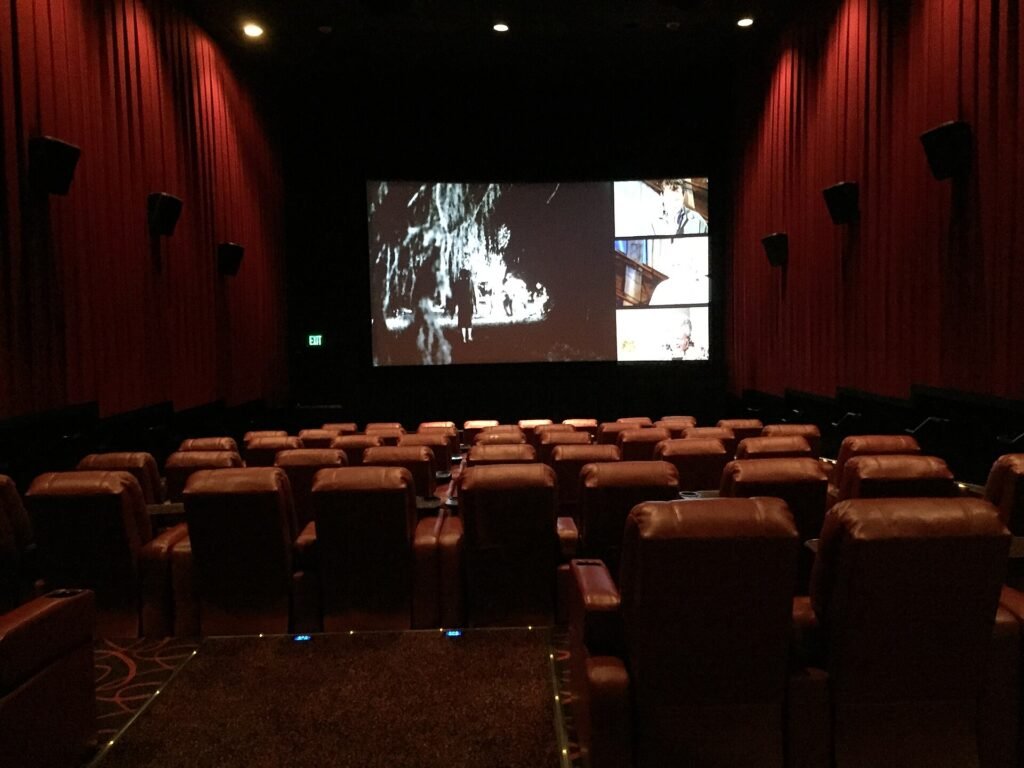
Movie ticket prices no longer follow a simple formula. Theaters now charge different prices for the same film depending on when viewers buy, when they plan to watch and where they will sit in the auditorium. This shift reflects a pricing strategy called dynamic pricing, which adjusts rates in real time based on demand, borrowed from airlines, hotels and other industries that have used algorithmic pricing for years.
The shift reflects economic pressure on cinema operators. Streaming services have shortened the window during which films generate theatrical revenue, forcing theaters to extract maximum revenue from release weeks when demand peaks. Theater operators say dynamic pricing lets them fill more seats across showtimes by offering discounts during slow periods and premium rates when demand peaks. The data that drives these prices comes from booking behavior, historical sales patterns, day of the week and the movie’s predicted audience draw.
The origins of dynamic pricing in cinema
Dynamic pricing originated in the airline and hotel industries, where companies discovered that adjusting prices based on demand could increase total revenue. The strategy spread to live entertainment through concert promoters and sports teams, then to theatrical venues. Concert promoters popularized the concept through “Platinum” surge pricing for major events, which adjusted prices upward for high-demand shows.
Movie theaters were slower to adopt the model. Historically, most U.S. theaters charged a uniform price for all tickets within a given format—all 2-D screenings cost the same, all IMAX showings cost the same—regardless of showtime or day of the week.
The shift accelerated after the COVID-19 pandemic disrupted theatrical distribution and streaming services gained audience share. In March 2022, AMC piloted dynamic pricing with the release of “The Batman,” testing whether audiences would accept higher prices for major films. A Morning Consult survey around the film’s release found consumer interest: 56% of frequent moviegoers—those attending at least monthly—said they were interested in paying more to see Hollywood blockbusters, and 62% said the same about paying extra for premium seating.
How theaters measure success
Theater operators track occupancy rate (the percentage of available seats sold), average revenue per patron and revenue per screen. Dynamic pricing aims to increase all three by managing supply and demand across showtimes and reducing the number of unsold seats during peak demand periods. Studies show ticketing revenue increases of 5% to 15% from dynamic pricing implementation.
How AMC structures seat-based pricing
AMC Theatres rolled out a system called Sightline at AMC on February 10, 2023, to divide ticket prices by seat quality. The chain began in three markets—New York, Chicago and Kansas City; AMC said at the time it expected to expand the program to all AMC and AMC Dine-in locations by the end of 2023. The system divides seating into three pricing categories based on viewing angles and distances from the screen.
Value Sightline seats are at the front of the auditorium and cost less than standard prices, but are available only to AMC Stubs members. Standard Sightline seats occupy the traditional price tier for typical locations in the auditorium. Preferred Sightline seats are in the middle section and cost slightly more than standard, though AMC Stubs A-List subscribers can reserve them without additional charges.
The pricing applies only to showtimes after 4 p.m. and excludes Discount Tuesdays. AMC Theatres executive vice president and chief marketing officer Eliot Hamlisch said the initiative “more closely aligns AMC’s seat pricing approach to that of many other entertainment venues.” By dividing seats into tiers, AMC created multiple price points within a single showtime, allowing budget-conscious viewers to buy cheaper seats while accommodating customers willing to pay for better sightlines.
Cinemark’s demand-driven pricing approach
Both chains use different approaches to the same goal: matching prices to demand to maximize per-screen revenue.
The algorithms that drive price adjustments
Dynamic pricing systems have evolved from simple rule-based models—like ‘if sales exceed 80% one month out, raise prices by 10%’—to AI-powered algorithms that continuously learn from sales data. The systems monitor real-time sales velocity and project demand for each showtime by tracking multiple data inputs simultaneously.
Modern algorithms consider historical sales patterns for the same film or similar films at the same venue, day-by-day pickup rates for current sales, day of the week (weekends command premium pricing versus weekday value pricing), distance from the showtime (early purchases often receive discounts while last-minute buyers pay more), and movie popularity across different audiences. Advanced systems incorporate macroeconomic indicators, weather forecasts and even external events that might affect attendance.
Emerging systems are moving toward even more granular analysis. Theaters are testing incorporation of social media sentiment, Google search trends and predicted box office performance as pricing inputs. The goal is to optimize what pricing experts call “yield”—selling every available seat for the best price that particular audience is willing to pay.
Prime time slots—typically evening and weekend showtimes—command higher prices than matinee times. Early-morning and weekday afternoon shows see the lowest fares. Newly released films with strong presales may see price increases opening weekend to capture audiences willing to pay more for fresh releases. A film performing better than expected can trigger immediate price increases across all showtimes; one underperforming can trigger cuts to stimulate demand.
Prime time slots command higher prices than matinee times, with newly released films potentially seeing price increases opening weekend to capture audiences willing to pay more for fresh releases.
Revenue impact and industry adoption
Studies of dynamic pricing across theaters consistently show ticket revenue increases. According to Smart Pricer, a pricing analytics platform, dynamic pricing can boost ticketing revenues by 5% to 15% compared to static pricing.
Revenue per screen is a key metric for theater operators, along with occupancy rates and average revenue per patron. The U.S. independent theater sector averaged approximately $800,000 in revenue per screen in 2023. Dynamic pricing helps chains optimize that metric by adjusting prices to maximize the number of paid seats filled rather than leaving some unsold or leaving money on the table by underpricing popular showtimes.
Results vary by film genre. Blockbuster and action films typically generate higher revenue when dynamic pricing is applied during peak hours, while family animated films also benefit from premium peak-time pricing. Drama and documentary audiences receive more stable pricing across showtimes. Off-peak discounting successfully fills slower showtimes by offering reduced rates, improving overall occupancy.
Adoption among frequent moviegoers appears strong. Among frequent moviegoers, 37% indicated willingness to pay $11-20 per ticket compared to 2019’s average of $9.16. Specific blockbusters drove strong premium interest: 63% of frequent moviegoers wanted to pay extra for “The Batman,” and 62% for “Black Panther: Wakanda Forever.” Interest in premium pricing dropped for smaller releases like “Morbius,” at 45%, showing audiences accept higher prices for anticipated releases but resist them for uncertain bets.
Why theaters shifted from uniform pricing
For decades, movie theaters charged uniform prices for tickets within format categories, treating all 2-D screenings as equivalent and all premium-format screenings as equivalent. This uniformity was atypical: most live entertainment—concerts, sports, theater—adjusted prices by seat location and showtime.
The shift accelerated due to changing market conditions. Streaming services have compressed theatrical release windows, forcing more revenue concentration into opening weeks. Younger audiences, particularly millennials, expect digital customization and personalized ticket-buying experiences.
The pricing variation is widest for blockbuster releases and narrowest for smaller independent films.
Photo: Famartin · CC BY-SA 4.0 · via Wikimedia Commons