What Paramount’s $110 Billion Warner Bros. Settlement Requires of Studios and Unions
Paramount's $110 billion Warner Bros. 5B in production spending and an independent news board—but the coalition fighting it says the terms don't address consolidation concerns.
Paramount Skydance cleared regulatory hurdles to acquire Warner Bros. Discovery for $110 billion after reaching settlements on September 21, 2026, with the Writers Guild of America and twelve state attorneys general. The deals emerged after California and eleven other states argued that the combined company would control over 25 percent of U.S. box office and cable television revenue, providing disproportionate leverage over film exhibitors and television providers.
The settlement requires Paramount to commit $1.5 billion to domestic film production over five years, establish independent editorial oversight at CNN and CBS News, and freeze writer layoffs at the broadcast division. Despite these concessions, a coalition of entertainment figures and industry organizations continues fighting the merger through federal court, arguing that the terms do not adequately address their concerns about job losses, wage suppression, and consolidation in the entertainment industry.
The Antitrust Challenge and Settlement
The merger faced significant regulatory opposition after California Attorney General Rob Bonta and eleven other states filed suit on July 13, 2026, contending that combining Paramount and Warner Bros. Discovery would reduce competition across three critical areas: wide-release theatrical film distribution, top-grossing movie distribution, and basic cable channel distribution. The states argued the combined company would control so much market share that it could exercise undue pressure on theater chains negotiating booking terms and on cable and satellite providers negotiating channel carriage.
Paramount countered that the lawsuit represented “one of the weakest merger challenges in modern antitrust history,” noting that smaller distributors including Amazon MGM, A24, and Lionsgate provide competitive alternatives. The company had already received approval from the U.S. Department of Justice in June 2026, the European Commission in July with conditions, and UK authorities in August. Rather than proceed to trial, which the court had scheduled for March 2027, Paramount and the state attorneys general agreed to the September settlement to allow the transaction to close.
Settlement Financial Terms
Paramount Skydance will invest $1.5 billion in domestic production over five years ($300 million annually) and pay $17.5 million to the WGA health fund, with penalties of $30 million per film falling short of annual production commitments, half going to union health and retirement funds and the remainder split between the Motion Picture & Television Fund and a National Association of Attorneys General fund.
Production and Investment Commitments
The settlement with state attorneys general requires Paramount to invest an additional $300 million annually in domestic production for five years, totaling $1.5 billion. The company must produce and release 30 films in each of the first two years following the merger, increasing to 32 films per year in years three through five. These targets apply specifically to films released theatrically, distinguishing the commitment from other distribution channels including streaming and direct releases.
At least 20 of those films must be wide-release theatrical releases—shown in 2,000 or more screens—during the first two years, rising to 21 per year thereafter. The wide-release threshold reflects exhibition industry standards for major blockbuster releases versus limited releases targeting specialized audiences. The settlement also requires that theatrical films maintain industry-standard release windows: 45 days exclusively in theaters, and 90 days before streaming availability on subscription video-on-demand platforms.
Paramount faces penalties of $30 million for each film it fails to produce annually under these targets. Half of the penalty revenue flows to unions representing movie production workers, incentivizing compliance through direct impact on worker compensation and employment. The remainder is split between the Motion Picture & Television Fund and a fund controlled by the National Association of Attorneys General. These penalty structures create ongoing financial consequences for non-compliance, distinguishing this settlement from agreements that rely solely on monitoring and reporting.
Protection of Studio Assets and Cable Distribution
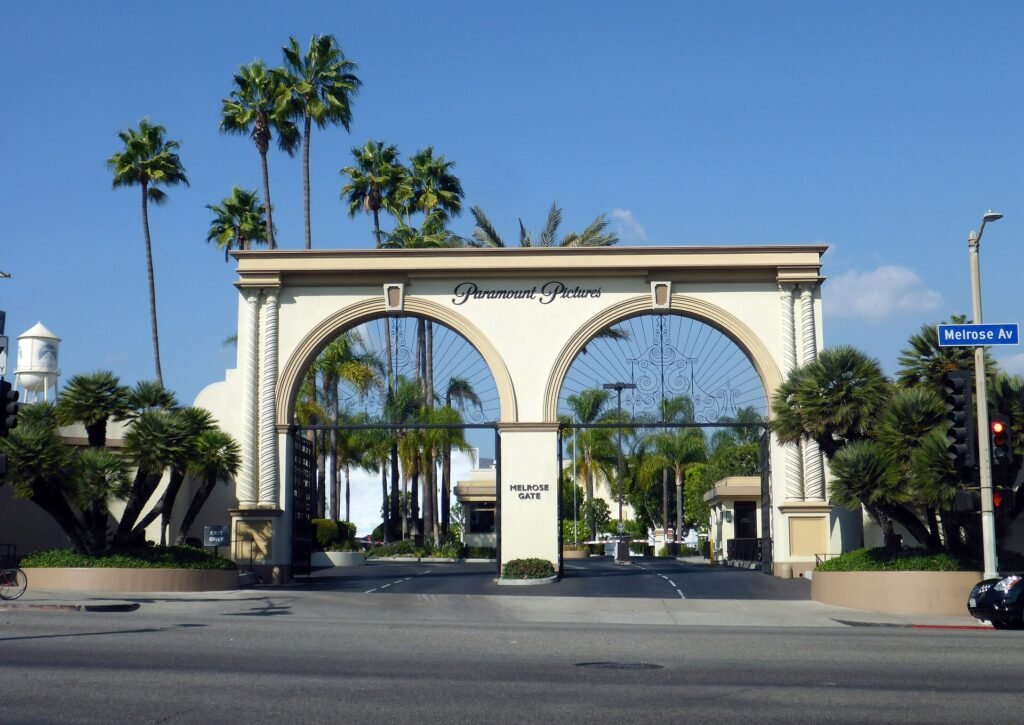
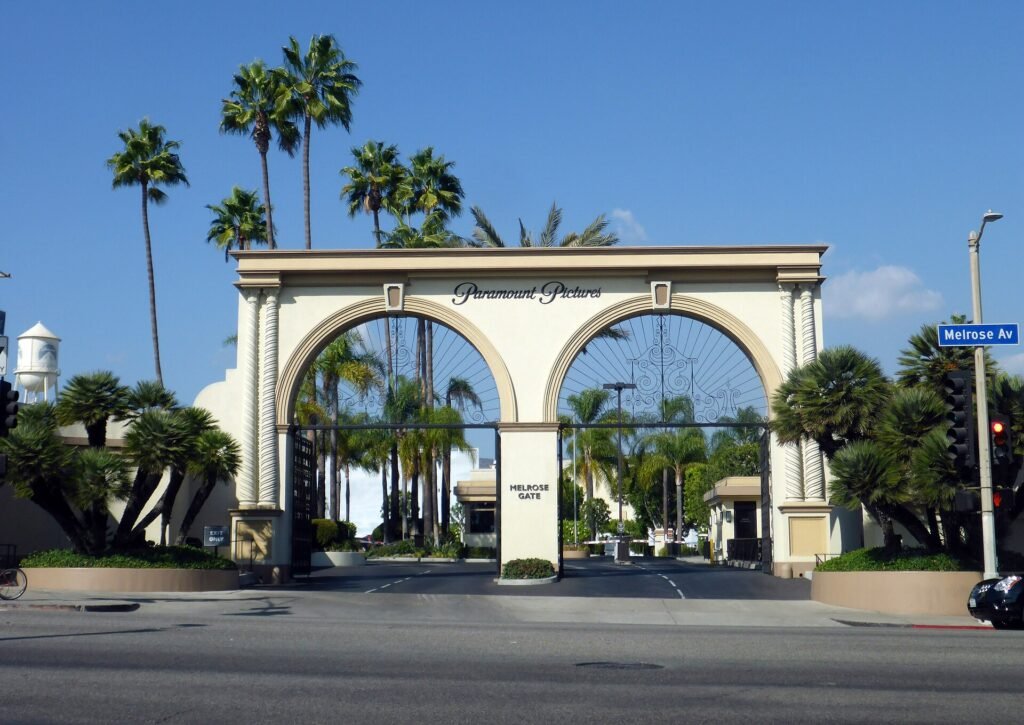
The merged company cannot sell or permanently close the Paramount or Warner Bros. studio lots in the Los Angeles area for at least five years. Both facilities serve as major centers for film and television production on the West Coast. The restriction prevents the company from liquidating physical production infrastructure that could take years to rebuild, even if the company later decided to divest or restructure operations.
The settlement also requires the merged entity to maintain separate negotiating positions for basic cable channel distribution for five years, preventing the company from consolidating how its cable networks—including MTV, BET, Nickelodeon, Comedy Central, and other channels alongside CBS’s broadcast properties—negotiate carriage agreements with distributors. This requirement addresses the state attorneys general’s concern that a unified company could use leverage from theatrical film distribution to demand favorable terms for its cable channels.
Enforcement of these terms falls to a five-state committee that will monitor and enforce Paramount’s compliance with the settlement. The arrangement represents an ongoing regulatory relationship extending five years beyond the initial settlement date.
WGA Settlement and Workforce Protection
The Writers Guild reached a separate settlement with Paramount Skydance covering workforce protections and financial contributions to union funds. Paramount agreed to pay $17.5 million into the WGA health fund and cover the guild’s legal fees incurred during the litigation. The WGA’s concerns centered on two issues: job protection at CBS News and the industry-wide effects of consolidation on writer employment and compensation.
The company committed to a five-year moratorium on layoffs affecting writers in CBS News’ broadcast division. This provision specifically protects the news division, which employs union writers responsible for scripts, editorial materials, and broadcast content. The five-year term aligns with the major production commitments in the state attorneys general settlement, creating a matched timeline for obligations.
The WGA’s decision to settle reflected practical concerns about litigation costs and government support. The guild stated that after state attorneys general settled with Paramount, it faced pursuing “a complex antitrust lawsuit that would cost millions of dollars to pursue through trial” without governmental backing. As a nonprofit organization, the WGA determined it could not justify the financial commitment required to continue independently. The guild publicly stated, “We continue to believe the merger will cause damage to writers and the industry at large,” indicating this settlement represented a strategic compromise rather than a resolution of underlying concerns.
The WGA’s original concerns about the merger centered on competitive effects. The union warned that reduced competition “would give Paramount both the incentive and the ability to lower costs by suppressing writers’ wages and reducing output.” These concerns reflected broader industry dynamics where consolidation can reduce bidding competition for writers’ services and allow merged companies to lower production output to reduce costs, potentially affecting work availability and compensation levels industry-wide.
The merged company would control over 25 percent of U.S. box office and cable television revenue, providing disproportionate leverage over film exhibitors and television providers.
Editorial Independence at News Operations
The settlement mandates an independent board to oversee editorial operations at CBS News and CNN, requiring “independent, objective fact-based reporting” at both outlets. These governance structures impose external oversight on the news divisions, a remedy designed to address concerns that ownership consolidation could influence editorial judgment.
The creation of an independent board represents an unusual intervention in antitrust settlements. Most merger remedies focus on structural changes—divestitures or asset sales—or behavioral restrictions on pricing and distribution. Editorial independence boards require ongoing governance changes at the merged company, establishing permanent oversight mechanisms. This approach reflects a concern that a single owner controlling both CNN and CBS News, alongside Paramount’s theatrical and cable operations, could exert inappropriate influence over news coverage affecting the entertainment industry or the company’s broader interests.
Block the Merger Coalition’s Continuing Opposition
Despite the settlements, the Block the Merger Coalition—comprising entertainment professionals, producers, writers and activists—continued opposing the transaction. The coalition includes the Committee for the First Amendment, a free-speech advocacy group headed by actor Jane Fonda, which organized rallies outside the offices of California Attorney General Rob Bonta and New York Attorney General Letitia James. “This merger is bad,” producer Bruce Cohen told a rally. “It’s bad for Hollywood, it’s bad for workers, it’s bad for democracy.”
The coalition’s objections centered on consolidation itself, not merely the settlement terms. The group contends that corporate consolidation “threaten[s] the sustainability of the entire creative community.” A SAG-AFTRA member at one rally expressed skepticism about whether Paramount could realistically meet its film production commitments, saying the targets “will lead to layoffs” and “probably less production overall.” This position reflects a view that no amount of regulatory oversight can compensate for reduced competition between major studios.
The coalition signaled its opposition was not over. TheWrap reported that Block the Merger organizers were “disappointed” and “angry” over the settlement, declaring it was “not the last you will hear from us.”
Photo: Coolcaesar · CC BY-SA 4.0 · via Wikimedia Commons