Why Jenny Beavan had no say in a Rag & Bone collection inspired by her Cruella costumes
As fashion houses finance productions to secure wardrobe control, costume designers are losing credits and creative authority. The industry is pushing back.
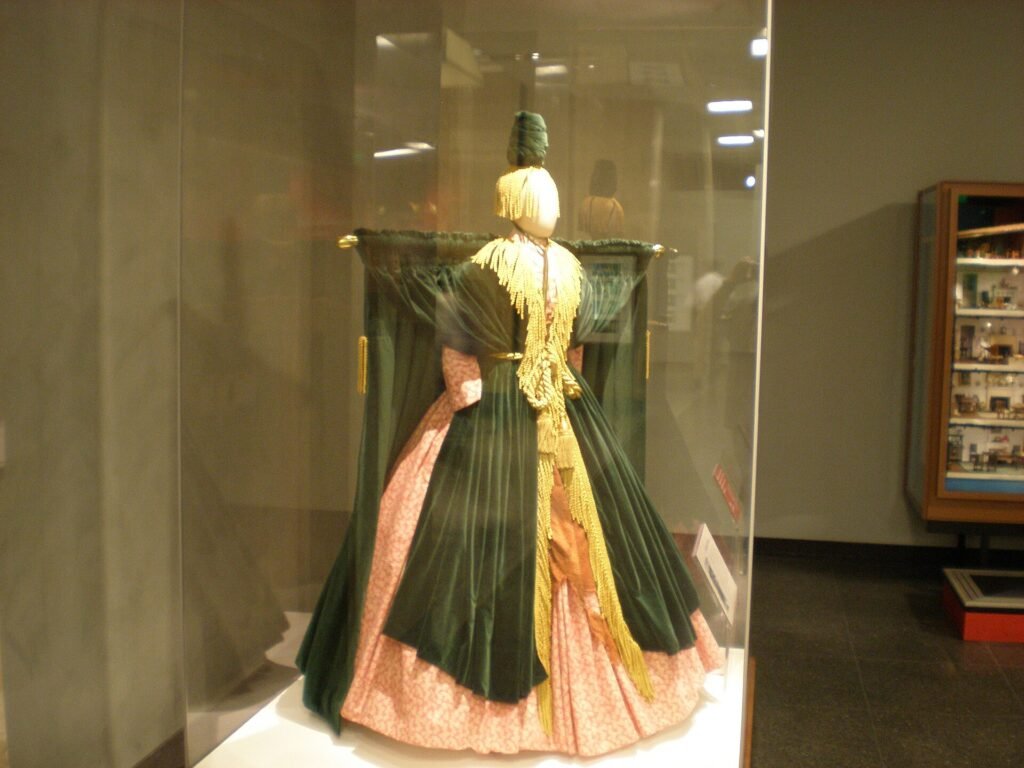
Costume designer Jenny Beavan’s work on Disney’s live-action *Cruella* inspired an officially licensed collection with fashion brand Rag & Bone. She had no knowledge of the collection before it was released and later said she was “sort of horrified.” The partnership exemplifies a shift reshaping how costume design gets credited and controlled on film and television sets: as luxury brands increasingly finance productions, they are also increasingly demanding creative authority over wardrobe, pushing actual costume designers into the background.
The Costume Designers Guild launched the #CreditCostumeDesigners campaign to address the problem. The issue centers on a gap that has widened as fashion houses—from Chanel to Saint Laurent to LVMH—have discovered that financing film and television projects secures both cultural prestige and on-screen product placement while reshaping what costume designers can negotiate and who gets recognized for the work. The financial stakes are high: the film *House of Gucci* reportedly triggered a 257 percent increase in demand for Gucci bags, demonstrating the commercial value of on-screen brand exposure.
Why luxury brands are building entertainment divisions
Luxury fashion houses have historically appeared in films through product placement—a brand’s handbag visible in a scene, a watch worn by a lead character. That passive presence has evolved into active production investment. Saint Laurent financed films by acclaimed directors Pedro Almodóvar and Jean-Luc Godard. Chanel invested in the *Spencer* biopic starring Kristen Stewart, a musical with Marion Cotillard, and feature films including *Personal Shopper* and *Clouds of Sils Maria*. These weren’t brand endorsement deals; they were direct production financing with creative input.
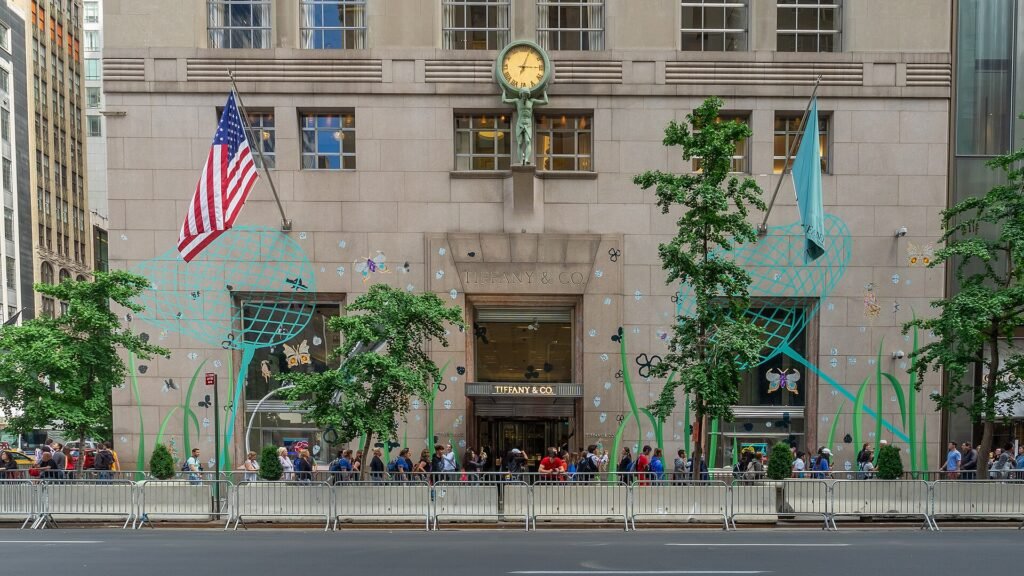
LVMH, the conglomerate owning Louis Vuitton, Moët Hennessy, Tiffany & Co., Christian Dior and many other luxury brands, formalized this strategy in 2024 by launching 22 Montaigne Entertainment with media consultancy Superconnector Studios. The division aims to co-develop, co-produce and co-finance entertainment across LVMH’s brands. This is not marketing; it is owned media production.
The commercial logic is straightforward. When a brand’s aesthetic dominates a film’s visual language, consumer interest in that brand intensifies. *House of Gucci* demonstrated this at scale—on-screen brand exposure reportedly drove a 257 percent spike in demand for Gucci bags. Approximately one-third of consumers with connected devices now express willingness to purchase items directly while watching entertainment, creating a direct sales channel from content to checkout. That convergence of viewing and shopping explains why luxury houses are building entertainment divisions rather than simply placing products.
Costume as financial asset
Costumes generate long-term revenue through auctions and licensing. Dorothy’s dress from *The Wizard of Oz* sold for $1.5 million, while Star Wars stormtrooper helmets fetched more than $120,000. Yet costume designers rarely own rights to their designs and typically don’t share in that revenue.
How brands claim creative control through financing
When luxury fashion brands finance productions, they typically negotiate contractual rights over how their pieces appear on screen. Saint Laurent, which has financed films including David Cronenberg’s *The Shrouds*, secured the right to credit its designer Anthony Vaccarello as “costume artistic director”—a title that sits alongside his producer credit. That dual role signals the brand’s influence extends beyond supplying garments; it shapes the visual language of how characters dress.
This practice differs fundamentally from traditional costume design partnerships. A costume designer selects pieces—whether from existing collections, custom commissions, or other sources—to serve the story and characters. When a brand finances the production, it can demand that its pieces dominate the wardrobe, creating what The Hollywood Reporter called “a very weird product placement exercise.” The costume designer becomes one voice among many, with the brand’s commercial interests competing with narrative needs. In some cases, character authenticity suffers: when Margaret Qualley wore Chanel “head-to-toe in every scene” of *How to Make a Killing*, The Globe and Mail noted the choice was “distracting” because “costume is integral to character development and shouldn’t be beholden to brand promotion.”
Chanel has taken this further by financing productions and, for *Clouds of Sils Maria*, providing “costumes, accessories, jewellery and makeup.” That level of integration means the brand is controlling not just wardrobe but the complete visual presentation of characters. The costume designer becomes a coordinator of brand-supplied materials rather than an author of the visual narrative.
The merchandising gap: why costume designers lost royalties
Costume designs generate significant revenue when they inspire merchandise—children’s costumes, apparel, toys and licensed products. Costume designers rarely own rights to their designs, and most don’t share in the revenue those designs generate.
*Cruella* inspired an apparel partnership with Rag & Bone, and costumes from other major releases have inspired similar collaborations. Costumes and costume documentation—sketches, swatches, complete outfits—generate long-term revenue through auctions. Dorothy’s dress from *The Wizard of Oz* sold for $1.5 million; Star Wars stormtrooper helmets fetched more than $120,000. Yet costume designers typically don’t share in that revenue.
The gap has attracted attention because it exposes a broader imbalance. A costume designer’s sketches, fittings and construction work generate intellectual property that studios monetize freely. When luxury brands partner with studios on licensed collections, costume designers are sometimes excluded entirely from the transaction—no notice, no credit, no payment. The Rag & Bone–Disney–*Cruella* collaboration is one documented case. The #CreditCostumeDesigners campaign calls for studios to acknowledge designers’ contributions whenever their work is licensed for commercial products.
When a brand finances the production, it can demand that its pieces dominate the wardrobe, creating what The Hollywood Reporter described as a very weird product placement exercise.
Brand partnerships becoming essential, then controlling
Costume departments have embraced brand partnerships because they solve a real financial problem: constructing authentic, high-quality wardrobes is expensive, and sponsorships reduce that burden. Patricia Field, costume designer for *The Devil Wears Prada*, cultivated relationships with Chanel, Valentino and Calvin Klein, which supplied pieces and reduced production costs while enhancing the film’s visual prestige. Tom Ford, Aston Martin, Martini and Omega have famously sponsored the James Bond franchise, elevating the production’s visual quality while the costume designer retained authority over how those pieces were integrated into character development.
That model worked when the costume designer initiated partnerships and retained control over which pieces served the story. A designer would identify which brands aligned with the film’s world, approach them with a proposal, and negotiate mutually beneficial arrangements. The designer’s authority over the wardrobe remained intact.
As luxury brands began financing entire productions, the power dynamic inverted. A brand with financial leverage can demand not just product placement but creative authority. It can require that characters wear specific pieces in key scenes, that particular collections dominate certain wardrobe categories, or that the brand’s creative team be consulted on design decisions. Costume departments that once could refuse unsuitable suggestions from sponsors now face sponsors who also control the budget. That concentration of power—financial and creative—narrows the costume designer’s ability to negotiate for autonomy and credit.
What the credit disputes reveal about industry leverage
The dispute over who receives “costume artistic director” credits reflects deeper questions about creative authority and labor recognition. When a fashion brand’s designer receives on-screen credit for costume work they did not perform, it obscures who actually constructed the wardrobe and made the decisions that shaped how characters present themselves visually.
Costume designers argue this matters because it affects career visibility and future work. Clear, accurate credit helps designers build the recognition that leads to more work and greater leverage to negotiate better terms on future projects.
The Costume Designers Guild’s advocacy reflects the economics of entertainment partnerships. When luxury brands hold financing power, costume departments have less ability to demand credit, creative control, or compensation. The campaign pushes back by making the practice visible and calling for studio commitments to credit designers whenever their work is licensed or featured in branded partnerships. How studios respond will signal whether costume designers can retain negotiating power as branded financing becomes more common—and as luxury brands continue their strategic expansion into production.
Photo: Cag1970 · Public domain · via Wikimedia Commons