

Banks to shut for Memorial Day — full list
Banks across the United States will close their doors for Memorial Day 2026, in line with the federal holiday calendar, which is observed nationwide. The holiday falls on Monday, May 25, and while there is no single published “full list” of closures, the reality is straightforward: nearly every U.S. bank—from major national lenders to small community institutions—will be shut for in‑branch services.
Why Banks Are Closing
Memorial Day is one of 11 official Federal Reserve holidays, meaning the central bank and its core financial infrastructure are offline for the day.
That closure has a cascading effect across the financial system. Most commercial banks and credit unions align their schedules with the Federal Reserve because essential back-end services—like ACH payments, wire transfers, and check clearing—depend on Federal operations.
As a result, the “full list” effectively includes:
- Bank of America
- JPMorgan Chase
- Wells Fargo
- Citibank
- U.S. Bank
- PNC Bank
- Truist
- TD Bank
- Capital One
- Regional banks, community banks, and credit unions
In short, virtually the entire U.S. banking sector observes the closure.
What Will Remain Open—And What Won’t
Despite the widespread shutdown of branches, consumers will still be able to access basic banking tools.
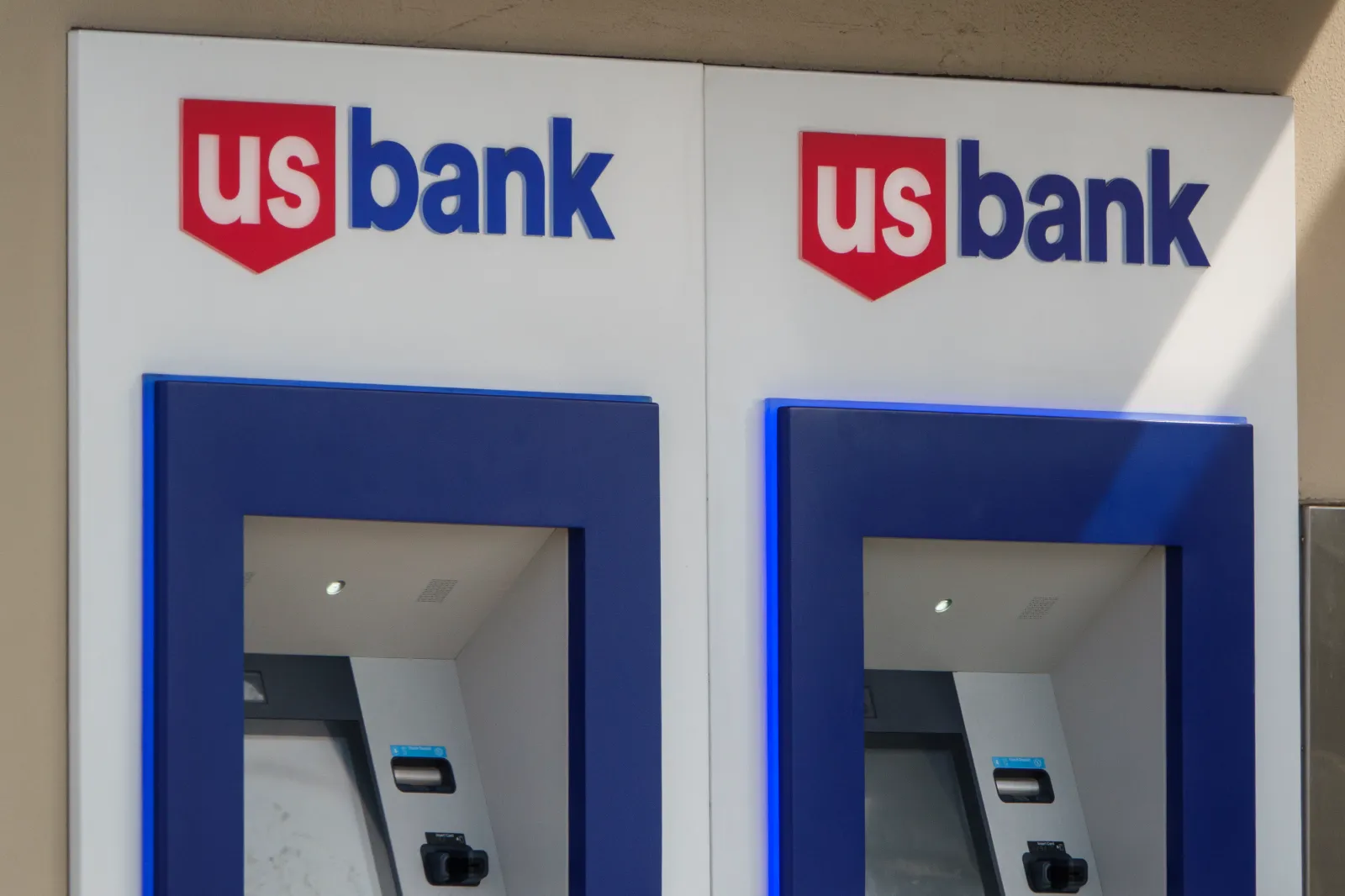
Available services include:
- ATMs and cash withdrawals
- Debit and credit card payments
- Online and mobile banking platforms
However, the closure significantly affects financial processing behind the scenes.
Services that will be paused or delayed include:
- ACH transfers (used for payroll and bill payments)
- Wire transfers
- Check clearing and deposits
- Some internal bank transfers
These services rely on Federal Reserve systems, and when those systems pause, transactions are typically delayed until the next business day.
For consumers, that can mean later-than-usual paychecks or postponed payments if deadlines fall on the holiday.
Why The Bank Closures Are More Than Just a Day Off
The widespread closures reflect the national importance of Memorial Day itself.
Observed on the last Monday in May, the holiday is dedicated to honoring U.S. military personnel who died in service, a tradition that dates back to the Civil War.
Originally known as “Decoration Day,” it began as a grassroots effort by communities placing flowers on soldiers’ graves before becoming an official federal holiday in 1971.
Today, it remains one of the most solemn dates on the American calendar. Ceremonies, cemetery visits, and a national moment of remembrance mark the day, even as it has also become associated with the unofficial start of summer.
Why It Matters For Americans
The decision for banks—and most federal institutions—to close is symbolic as much as practical. It signals a nationwide pause in both government and commerce, reflecting a shared moment of remembrance.
Financially, the closures serve as a reminder of how interconnected the U.S. banking system is with federal infrastructure. Culturally, they highlight the day’s deeper meaning: Honoring sacrifice on a national scale.
For consumers, the takeaway is simple: Plan ahead. With most banking services operating on a reduced capacity, scheduling payments, deposits, and transfers around Memorial Day can help avoid delays.