

Vet reveals the six things to look for in dog probiotics
If you’ve ever wandered down the pet‑supplement aisle wondering whether your dog really needs a probiotic, you’re not alone. More owners are turning to gut‑support products than ever before.
The American Pet Products Association reports that functional diets like pre‑ and probiotics grew significantly in 2024, with 13 percent of dog owners purchasing them. But what exactly are they, and how do you know if you’re choosing a good one?
Probiotics are defined by the World Health Organization as “living microorganisms which when administered in adequate amounts confer a health benefit on the host.”
Benefits of Probiotics for a Dog’s Immune System
TotalVet explains that probiotics can help maintain gastrointestinal health and digestion by managing digestive issues, improving nutrient absorption, and supporting vitamin synthesis.
They can also promote better stool quality and a more balanced gut, which may shorten the duration and severity of diarrhea and reduce the need for antibiotics.
Probiotics may offer support for skin issues and allergies, easing symptoms of food allergies and atopic dermatitis. And through the gut‑brain axis, certain strains can contribute to better mood and relaxation, helping reduce anxiety and improve overall emotional well‑being.
TotalVet explained probiotics work better when paired with prebiotics. Prebiotics—dietary fibers that act as food for beneficial bacteria—help these microorganisms grow and function. Pumpkin is highlighted as one of the simplest and most effective prebiotic sources for dogs.
When Probiotics Are Useful for Dogs
Dr. Jo Myers, a veterinarian at Vetster who lives in the High Rockies of Colorado, told Newsweek: “Probiotics are best used as targeted tools, not one-size-fits-all daily supplements. We have good evidence supporting their use in certain situations, like acute diarrhea, chronic gastrointestinal disease, or after antibiotic use.
“But in otherwise healthy dogs, the evidence for routine, long-term benefit is much less clear, so they are not universally necessary.”
Understanding the Dog’s Microbiome
TotalVet, a veterinary resource, explains that a dog’s digestive tract contains billions of microorganisms—mainly bacteria, but also yeasts. Some are beneficial, while others have the potential to cause illness. Together, these organisms form the microbiome, which normally stays in a healthy balance.
However, various health conditions and medications can disrupt this balance. In these situations, probiotics can help by supporting the growth of beneficial microorganisms, while preventing harmful microbes from taking over and affecting digestion and overall well‑being.
How to Spot a Good Probiotic
Myers and Dr. Liza Cahn, a Seattle‑based veterinarian with Embrace Insurance, told Newsweek the key things pet owners should look for:
- Look for the National Animal Supplement Council Quality Seal: Cahn said: “I only recommend supplements with this seal, as it indicates that the company meets strict standards for manufacturing, labeling, and quality control, helping to ensure the product is safe, consistent, and accurately represented.”
- Choose Products With Clearly Identified, Studied Strains: Dr. Myers said: “A high-quality probiotic should contain clearly identified, studied strains, ideally with evidence in dogs, not just general species names. The organisms should be relevant to the canine gut, with some evidence they can function in that environment.”
- Make Sure It’s Formulated Specifically for Dogs: Owners should never purchase products made for humans or any other animal. Cahn explained: “It’s important to use probiotics that contain species-appropriate bacterial strains, dosing, and formulations designed to survive a dog’s digestive system, and avoid ingredients that may be ineffective or even unsafe in pets.”
- Check for an Adequate Dose of Live Organisms: Myers said “We also look for an adequate dose of live organisms, typically in the billions of colony-forming unit, a microbiology unit, with that potency guaranteed through the end of shelf life, not just at the time of manufacturing.”
- Look for Evidence It Survives Digestion and Has Proven Benefits: A suitable product should also be able to survive stomach acid and bile so it can reach the intestines. Before purchasing, owners should look for clinical evidence showing that the product—or at least its strains—has been linked to specific outcomes in dogs, such as improved stool quality or shorter episodes of diarrhea. These factors help predict whether a probiotic is likely to be effective, Myers explained.
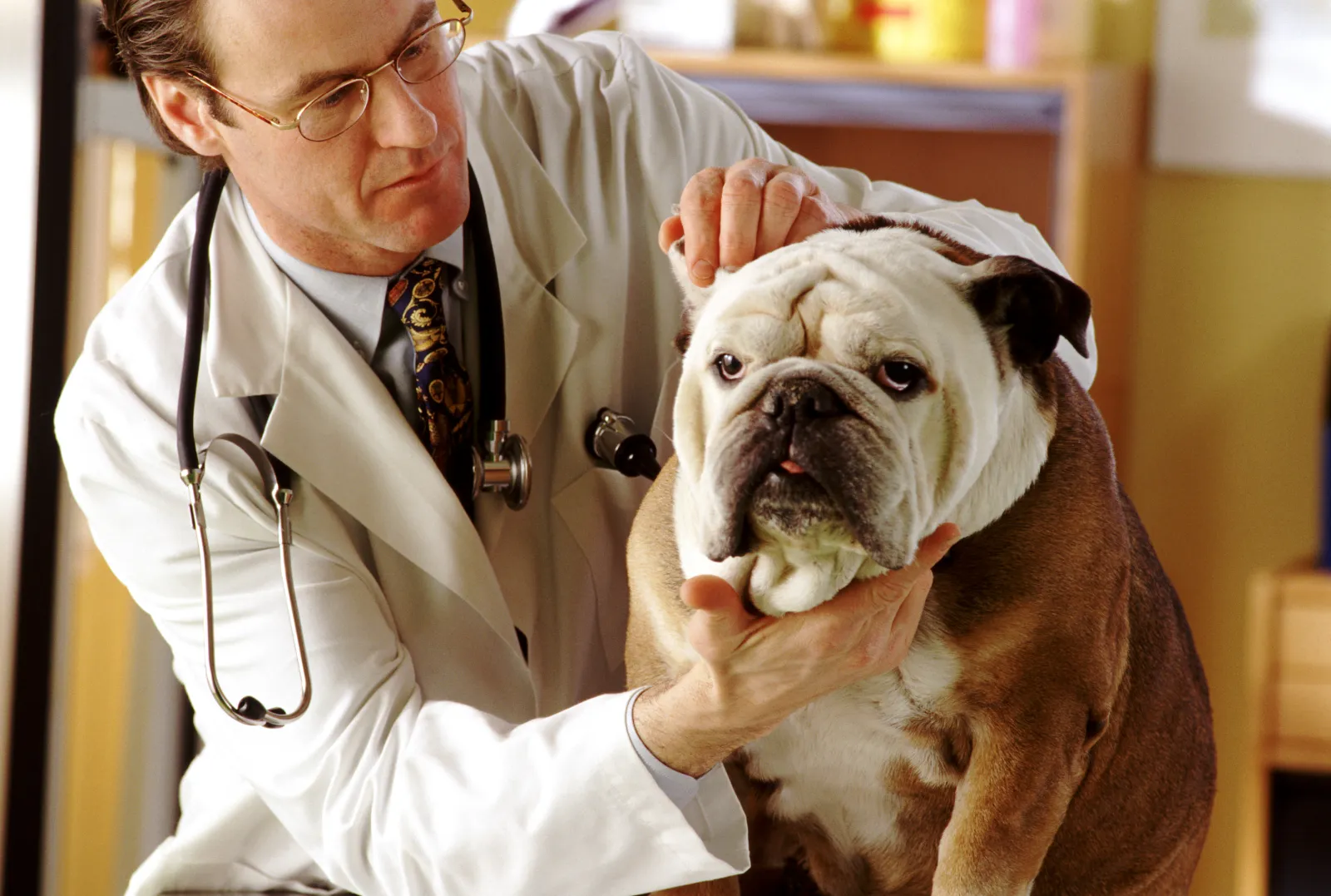
- Ask Your Vet for Guidance: Cahn explained it’s always a good idea to ask a veterinarian for recommendations for products that may be used to support gut health or to treat an upset stomach.
While owners can do their homework, the most reliable guidance will always come from a veterinarian who knows the dog’s health history. With the right information and professional support, pet owners can feel confident they’re choosing a probiotic that genuinely benefits their dog’s well-being.